Food is one of the most powerful ways to experience a destination. Local flavors, traditional cooking methods, and regional ingredients tell stories about culture, history, and lifestyle in a way no museum can. Around the world, certain destinations stand out not just for sights and scenery, but for unforgettable culinary experiences that draw travelers specifically for what is on the plate.
Italy: Regional flavors and timeless traditions
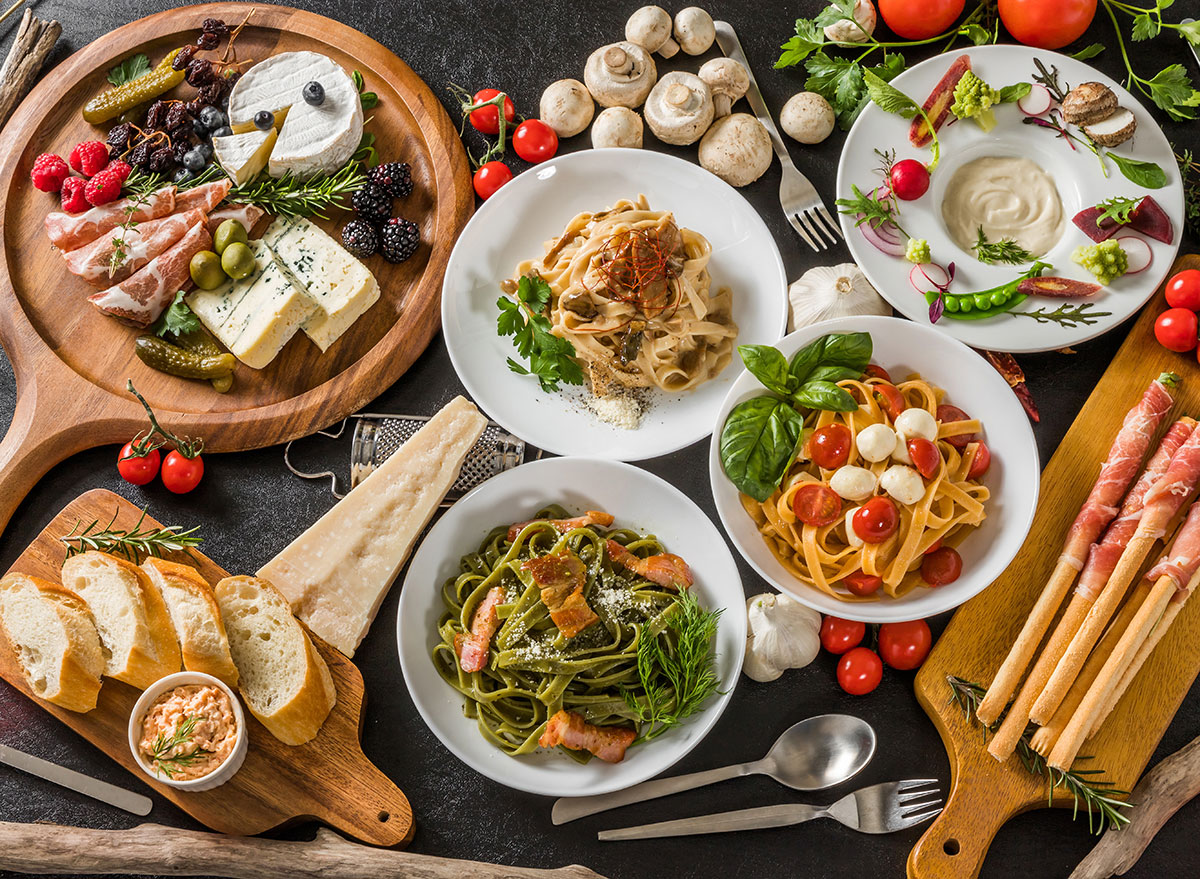
Italy is often considered the ultimate culinary destination, and for good reason. Each region offers a completely different food identity. In Rome, simple dishes like carbonara and cacio e pepe rely on perfect technique rather than complexity. Tuscany focuses on rustic flavors, olive oil, grilled meats, and hearty soups, while Emilia Romagna is known for fresh pasta, Parmigiano Reggiano, and balsamic vinegar.
Food experiences in Italy go beyond restaurants. Local markets, family run trattorias, wine tastings, and cooking classes are central to the travel experience. Many travelers plan entire itineraries around food regions, which is why structured planning through a travel host agency can help coordinate stays, tastings, and regional travel efficiently.
Japan: Precision, seasonality, and respect for ingredients
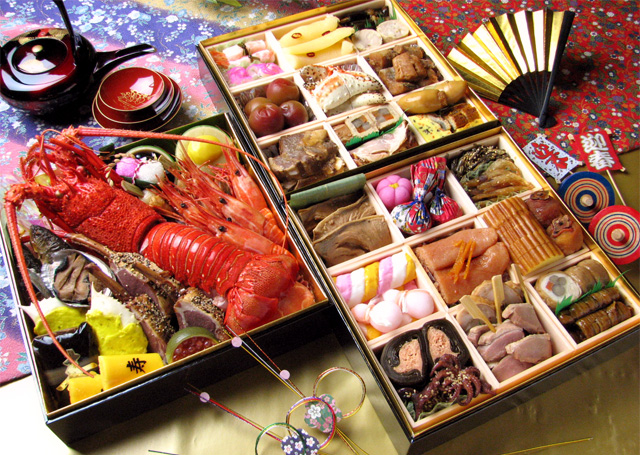
Japan offers one of the most refined culinary cultures in the world. From high end sushi counters in Tokyo to street food stalls in Osaka, food is treated with deep respect and precision. Seasonal ingredients play a major role, and presentation is considered just as important as taste.
Tokyo holds more Michelin starred restaurants than any other city, but unforgettable meals can also be found in casual ramen shops, izakayas, and local markets. Kyoto offers traditional kaiseki dining, where multi course meals reflect the seasons and local aesthetics. Food focused travelers often appreciate Japan for its consistency, cleanliness, and dedication to craft.
France: Culinary excellence and regional pride

France remains a global reference point for culinary excellence. Paris offers everything from classic bistros to world renowned fine dining, while regional cuisines add depth and variety. Provence emphasizes fresh herbs, olive oil, and Mediterranean flavors. Lyon is known as the gastronomic capital of France, famous for rich, traditional dishes and local bouchons.
French food culture values quality ingredients, technique, and leisurely dining. Visiting bakeries, cheese shops, and open air markets is as important as restaurant meals. Wine regions such as Bordeaux, Burgundy, and Champagne further enhance France’s appeal for culinary travelers.
Conclusion
Culinary travel opens a deeper connection to destinations around the world. Whether enjoying handmade pasta in Italy, sushi in Japan, street food in Thailand, or regional specialties in Mexico and Spain, food becomes a gateway to understanding culture and tradition. For travelers who plan trips around flavors as much as landmarks, these destinations offer experiences that linger long after the journey ends.